
 EN
EN  PT
PT In Bambino a Roma, In this book, Chico Buarque recreates his childhood in Rome, blending memory and invention to create a narrative space that combines emotion, history, and imagination.
Neuroarchitecture works in a similar way: it understands that physical spaces are not neutral, but rather constructions that activate memories, emotions, and perceptions.
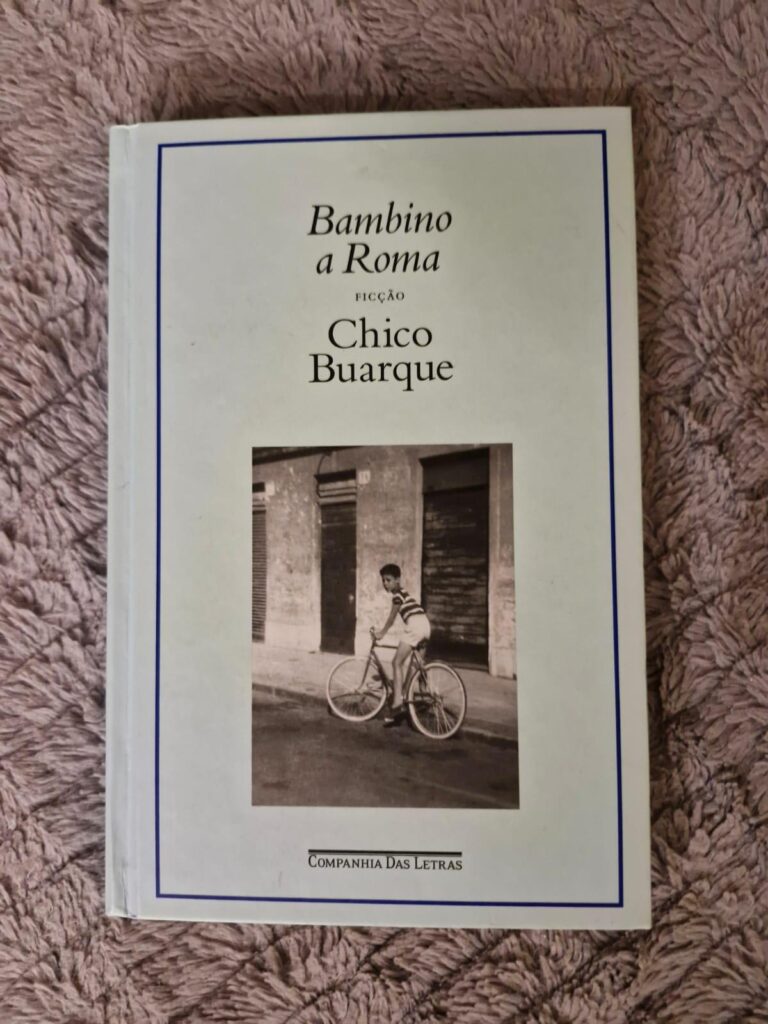
Just as the narrator "Francesco" gives new form to childhood memories with humor and lyricism, neuroarchitecture proposes environments that stimulate creativity, a sense of belonging, and well-being—uniting aesthetics and affection.
Design, in considering the relationship between function, form, and experience, engages with the book by organizing fragments of memories and historical contexts into a coherent and sensitive narrative.
Just as a design project gives meaning to spaces through colors, textures, and flows, Chico transforms personal episodes into a "literary project" that transcends intimacy and connects to the collective, inserting his individual experience into the political and cultural context of the post-war period.
Both — books, neuroarchitecture, and design — seek to give form to the invisible, be it memory or emotion, creating experiences that touch both the individual and the collective.
It is from this same perspective that I develop my work as an interior designer: I seek to transform dreams into real spaces, creating environments that not only meet the practical needs of clients, but also awaken emotions, memories and sensations, becoming a living part of their stories.