
 EN
EN  PT
PT An Invisible and Underestimated Threat
Excessive noise, especially in urban centers, may seem commonplace and routine. However, research shows that continuous exposure to unwanted sounds profoundly affects physical and mental health, compromising our quality of life.
The most worrying thing is that we often don't realize the damage caused by noise. This silent threat accumulates over time and can generate harmful effects in the short, medium, and long term.
“"Health is a state of complete physical, mental and social well-being, and not merely the absence of disease or infirmity."”
World Health Organization (WHO), 1948
Understanding health in this broad sense, it becomes clear that excessive noise directly impacts our well-being in multiple dimensions.
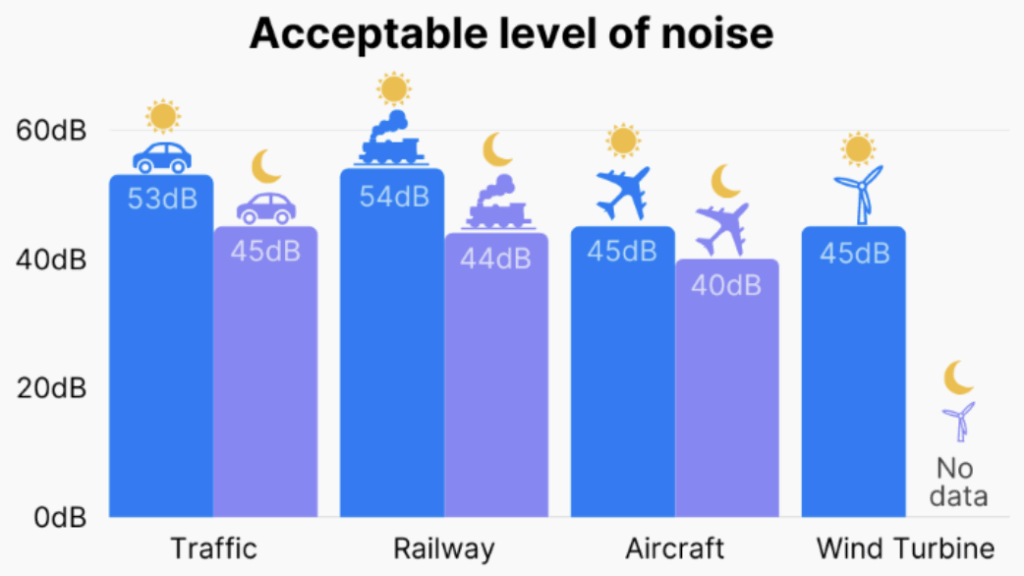
How Noise Affects the Body and Mind
Prolonged exposure to noise is associated with several health problems, such as:
- Sleep disorders
- Chronic stress
- Hearing loss and tinnitus
- High blood pressure
- Cardiovascular diseases
- Type 2 diabetes
- Cognitive difficulties (concentration, memory, learning)
- Mental disorders (anxiety, depression, dementia)
- Digestive problems, such as gastritis and ulcers
According to psychiatrist Dagoberto Hungria Requião, "Noise affects stress levels, which accumulate. Tension and anxiety increase, and this begins to affect the entire body."“
Noise activates neurotransmitters related to stress and can generate symptoms such as irritability, anxiety, tachycardia, aggressiveness, and fatigue.
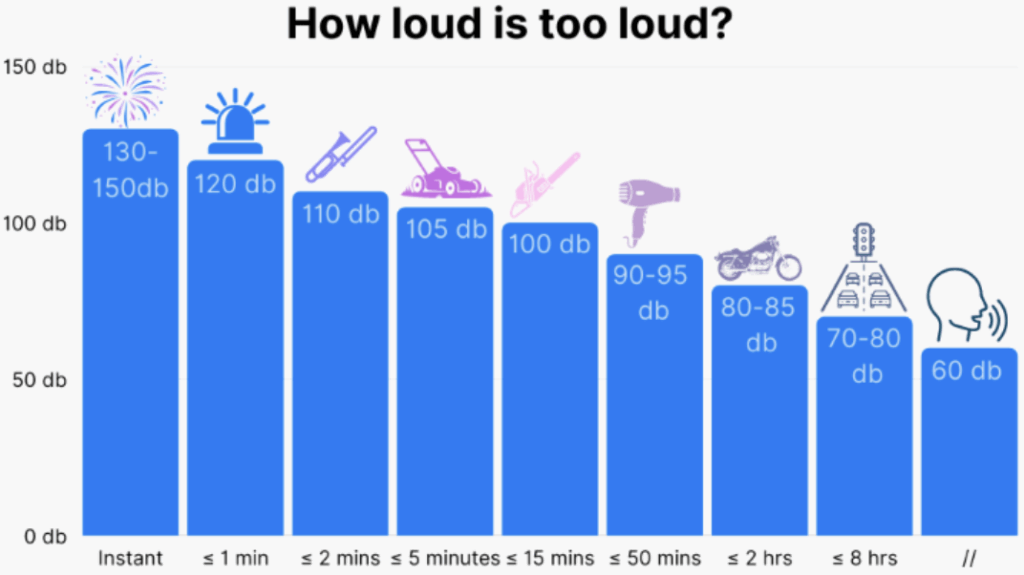
Scientific Evidence: Noise and Mental Health
A longitudinal study in Australia followed more than 31,000 people for 19 years and showed that exposure to environmental noise (traffic, airplanes, trains, industries) is associated with worsening mental health, especially among:
- Renters
- Single-parent families
- People with chronic diseases
- Residents of socioeconomically vulnerable areas
Traffic noise has been identified as the biggest risk factor, and reduced exposure is linked to improved mental health.
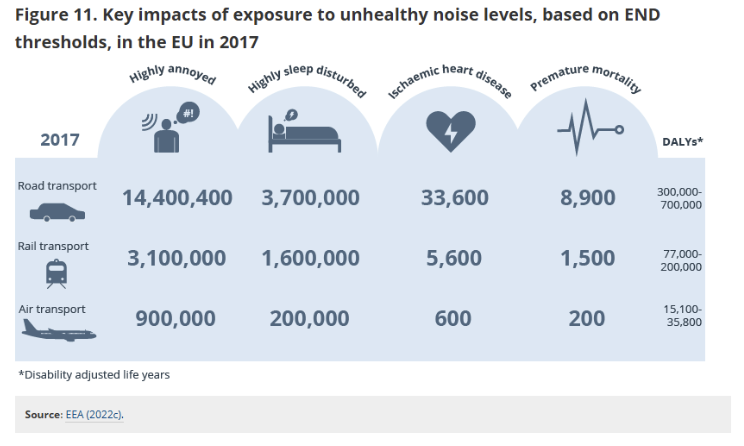
Noise in the Workplace: Health Risks
At work, noise is also a serious risk. Exposure above 80 dB(A) increases the risk of high blood pressure. The WHO and ILO confirm an association between occupational noise levels ≥ 85 dB(A) and heart disease.
Other possible effects include oxidative stress, diabetes, acoustic neuroma, accidents, and pregnancy complications.
Impacts of Noise on Quality of Life
- Productivity: It makes it difficult to concentrate, causes fatigue, and reduces performance.
- Relationships: It increases irritability and fosters conflict.
- Social life: Hearing loss can lead to isolation and difficulty communicating.
What can we do?
To reduce the impacts of noise:
- Avoid very noisy places.
- Use ear protection when necessary.
- Invest in soundproofing for your home and workplace.
- Improve acoustic treatment with carpets, curtains, and sound-absorbing panels.
- Create internal and external acoustic barriers.
- Separate noisy areas from rest areas.
- Seek help from mental health or ear, nose, and throat (ENT) specialists if you notice symptoms.
Conclusion
Noise is not just a nuisance, but a real and proven threat to physical and mental health. Recognizing its impact and acting to minimize exposure is essential to ensuring quality of life and well-being.
The Importance of Acoustic Design in Interior Design
Designing environments with attention to acoustic comfort is essential for health and well-being. Whether in homes, offices, hospitals, or schools, spaces should balance sound stimuli and silence.
By incorporating strategies such as the use of absorbent materials, acoustic barriers, and intelligent zoning, interior design contributes to improved health, productivity, and quality of life.
Designing with sound awareness is designing with empathy.
References
- Li, A. et al. (2022). Environmental Noise Exposure and Mental Health: Evidence From a Population-Based Longitudinal Study. American Journal of Preventive Medicine, 63(2), e39–e48. https://doi.org/10.1016/j.amepre.2022.02.020
- Pretzsch, A. et al. (2021). Health Effects of Occupational Noise. Current Environmental Health Reports. https://doi.org/10.1007/s40572-021-00308-2
- Clark, C., Vienneau, D., & Aasvang, G. M. (2024). Noise and Effects on Health and Well-Being. Springer. https://link.springer.com/chapter/10.1007/978-981-97-6121-0_4
- Susic, P. (2023). 25+ Noise Pollution Statistics 2025. Headphones Addict. https://headphonesaddict.com/noise-pollution-statistics/